
Occupational Therapy: Supporting Independence and Everyday Skills
Every individual deserves the ability to participate confidently in daily life activities such as eating, dressing, writing, learning, playing, and social interaction. However, some children and adults may face challenges that affect their ability to perform these activities independently. Occupational Therapy plays an important role in helping individuals overcome these difficulties and improve their overall quality of life.
At Psycnosis Child Development Services, we provide specialized Occupational Therapy services designed to support children and individuals in developing essential physical, sensory, motor, and daily living skills.
What is Occupational Therapy?
Occupational Therapy (OT) is a specialized healthcare field focused on helping individuals develop, recover, or maintain the skills needed for everyday activities and meaningful participation in life. Occupational therapists work with children and adults to improve independence, coordination, sensory processing, motor skills, and functional abilities.
The therapy uses structured activities, exercises, sensory techniques, and skill-building interventions tailored to the individual’s unique needs and developmental goals.
Who Can Benefit from Occupational Therapy?
Occupational Therapy can benefit children and individuals who experience:
- Developmental delays
- Autism Spectrum Disorder (ASD)
- ADHD and attention difficulties
- Sensory processing challenges
- Fine motor skill difficulties
- Coordination and balance problems
- Learning disabilities
- Difficulty with self-care activities
- Recovery after injury or illness
- Neurological or physical conditions
OT helps individuals improve their ability to function effectively at home, school, work, and in social environments.
Areas Addressed in Occupational Therapy
Fine Motor Skills
Occupational Therapy helps strengthen hand and finger movements needed for writing, drawing, buttoning clothes, holding objects, and using utensils.
Sensory Processing
Some children may become overwhelmed by sounds, touch, movement, or textures, while others may seek excessive sensory input. Occupational Therapy helps regulate sensory responses and improve comfort during daily activities.
Hand-Eye Coordination
Therapy activities improve coordination between visual information and physical movement, supporting tasks such as catching a ball, coloring, writing, and dressing.
Self-Care Skills
Occupational therapists help children and individuals become more independent in daily activities such as eating, dressing, grooming, toileting, and personal hygiene.
Attention and Focus
OT can improve concentration, sitting tolerance, task completion, and classroom participation through structured activities and sensory strategies.
Balance and Coordination
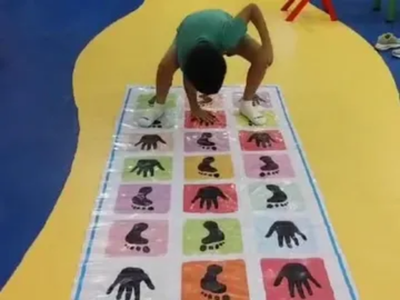
Therapy focuses on posture, body awareness, strength, and motor coordination to improve physical movement and participation in activities.
Social and Play Skills
Occupational Therapy also supports social interaction, emotional regulation, cooperation, and play-based learning, helping children build confidence and relationships.
Benefits of Occupational Therapy
Occupational Therapy provides long-term benefits that support overall growth and independence, including:
- Improved motor and coordination skills
- Better sensory regulation
- Increased independence in daily activities
- Enhanced handwriting and academic skills
- Improved focus and attention
- Better social interaction and emotional regulation
- Increased confidence and self-esteem
- Greater participation in school and community activities
Importance of Early Intervention
Early intervention is extremely important in child development. When developmental or sensory challenges are identified early, Occupational Therapy can help children build strong foundational skills during their most important developmental years.
Early support can improve learning, communication, social participation, and overall independence, helping children reach their full potential.
Our Approach at Psycnosis Child Development Services
At Psycnosis Child Development Services, we provide individualized Occupational Therapy programs based on each child’s strengths, needs, and developmental goals. Our therapists use evidence-based techniques and engaging activities in a supportive environment to encourage learning and progress.
We work closely with parents, caregivers, and educators to create a collaborative approach that supports development both during therapy sessions and in daily life.
Conclusion
Occupational Therapy is more than just improving physical skills—it is about helping individuals become more independent, confident, and capable in everyday life. With the right guidance and support, children and individuals can develop the skills they need to participate successfully in home, school, and social environments.
If you are concerned about your child’s motor skills, sensory processing, coordination, or daily functioning, Psycnosis Child Development Services is here to help with compassionate care and professional Occupational Therapy services tailored to individual needs.