Speech Therapy: Helping Children Find Their Voice
Communication is one of the most important parts of a child’s development. From expressing needs and emotions to building friendships and learning in school, speech and language skills play a vital role in everyday life. However, some children may face difficulties in speaking, understanding language, pronunciation, fluency, or social communication. This is where speech therapy can make a life-changing difference.
At Psycnosis Child Development Services, we provide professional Speech Therapy services designed to help children improve their communication skills in a supportive and engaging environment.
What is Speech Therapy?
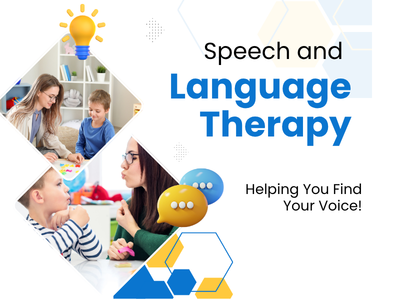
Speech Therapy is a specialized treatment that helps children and individuals improve their speech, language, voice, communication, and swallowing abilities. A speech therapist works with children to identify communication challenges and create personalized therapy plans based on their developmental needs.
Speech Therapy can help children with:
- Delayed speech and language development
- Difficulty pronouncing words or sounds
- Stammering or stuttering
- Autism-related communication challenges
- Voice disorders
- Difficulty understanding or following instructions
- Social communication difficulties
- Feeding and swallowing issues
Signs Your Child May Need Speech Therapy
Every child develops at their own pace, but some signs may indicate the need for professional support. Parents should consider consulting a speech therapist if their child:
- Is not speaking age-appropriate words or sentences
- Has unclear speech that is difficult to understand
- Struggles to follow directions
- Repeats sounds or words frequently
- Avoids speaking or social interaction
- Has trouble expressing thoughts or emotions
- Shows frustration while communicating
Early intervention can significantly improve communication skills and overall confidence.
Benefits of Speech Therapy
Speech Therapy helps children develop stronger communication abilities that positively impact their daily lives. Some major benefits include:
Improved Communication Skills
Children learn to express themselves clearly and confidently through words, gestures, and social interaction.
Better Social Interaction
Therapy helps children improve conversation skills, eye contact, and understanding social cues.
Enhanced Learning Abilities
Strong communication skills support better academic performance and classroom participation.
Increased Confidence
As children improve their speech and language abilities, they often become more confident and independent.
Family Support and Guidance
Speech therapists also guide parents and caregivers on activities and techniques that can support communication development at home.
Our Approach to Speech Therapy
At Psycnosis Child Development Services, we believe every child is unique. Our therapy sessions are personalized, interactive, and child-friendly to ensure a comfortable learning experience. We use evidence-based techniques, play-based activities, and structured communication exercises to help children achieve meaningful progress.
Our team works closely with parents, teachers, and caregivers to create a collaborative approach that supports the child’s development both inside and outside the therapy environment.
Why Early Intervention Matters
The earlier communication challenges are identified, the more effective therapy can be. Early Speech Therapy helps children build essential language and communication skills during their most important developmental years, giving them a stronger foundation for the future.
Conclusion
Speech Therapy is not just about improving speech—it is about helping children connect, communicate, learn, and thrive. With the right guidance and support, every child can develop the confidence to express themselves and interact with the world around them.
If you are concerned about your child’s speech or communication development, Psycnosis Child Development Services is here to help with compassionate care and professional therapy services tailored to your child’s needs.